Quibraxnxulel
Wellness Awareness

Understanding Your Energy Patterns

Developing awareness of fatigue signals can support better daily routines and personal wellbeing choices.

🌅

Morning Energy

Track your daily patterns

📊

Insights

Understand your signals

💡

Awareness

Make informed choices

Building Self-Awareness

Developing the ability to recognize your body's signals is the first step toward better energy management. These three foundational practices can help you tune into your natural rhythms.

Morning journal on wooden desk with coffee and natural light

Observation Practice

Keeping a simple log of your energy levels throughout the day can reveal patterns you might not otherwise notice. Write down how you feel at different times, what activities preceded changes in energy, and any environmental factors that may have played a role.

Person stretching and checking body sensations mindfully

Physical Signals

Your body communicates through various sensations that may indicate the need for rest or a change in activity. Learn to recognize subtle cues like muscle tension, eye strain, changes in posture, or shifts in breathing patterns before they become more pronounced.

Person in deep thought with clear focused expression

Mental Clarity

Noticing changes in concentration and decision-making ability can be valuable indicators of your current state. Pay attention to how easily you process information, recall details, or maintain focus on complex tasks throughout your day.

Common Indicators to Notice

Fatigue manifests in stages, with early signals often being subtle. Recognizing these indicators early allows you to make proactive adjustments to your routine before exhaustion sets in.

Early Stage Signals

These initial signs often appear gradually and may be easy to overlook if you're not paying attention:

  • Difficulty maintaining focus on tasks or conversations
  • Increased frequency of yawning or deep sighs
  • Slight heaviness in eyelids or urge to close eyes
  • Reduced motivation for activities you normally enjoy
  • Minor changes in mood, patience, or emotional responses
  • Slower processing of information or instructions
  • Tendency to re-read the same material multiple times

Progressive Indicators

As fatigue deepens, these more noticeable signs typically emerge:

  • Slower reaction times in daily activities
  • Increased errors in routine tasks you normally complete easily
  • Stronger desire to sit or lie down frequently
  • Reduced interest in social interaction or conversation
  • Changes in appetite patterns or food cravings
  • Physical discomfort or tension in neck and shoulders
  • Difficulty making decisions or feeling overwhelmed by choices

Daily Awareness Habits

Creating a structured approach to monitoring your energy throughout the day helps you identify patterns and make informed decisions about your activities and rest periods.

Morning Check-In

Start your day by noting how rested you feel and what your energy level is like upon waking. Rate your sleep quality and observe any physical sensations or mental fog that might affect your morning productivity.

Midday Assessment

Take a moment during lunch to observe any changes in your alertness and physical comfort. Notice if you're experiencing the common afternoon energy dip and consider what factors might be contributing to your current state.

Afternoon Observation

Notice how your concentration and motivation shift as the day progresses into the afternoon hours. This is often when fatigue becomes most apparent, making it an ideal time to practice awareness and implement energy-boosting strategies.

Evening Reflection

Before bed, briefly review the day and identify patterns that might inform tomorrow's choices. Consider what worked well, what drained your energy, and how you might adjust your schedule or activities for better balance.

Environmental Factors

💡

Lighting Conditions

The quality and intensity of light in your surroundings can influence how alert or drowsy you feel. Natural daylight exposure during morning hours helps regulate your circadian rhythm, while dim evening lighting prepares your body for rest.

🌡️

Temperature

Room temperature plays a role in comfort levels and can affect your ability to stay focused. Most people perform best in environments between 20-22°C, though individual preferences vary based on activity level and personal comfort.

🔊

Noise Levels

Background sounds and overall acoustic environment may impact your energy and concentration. Some people work best in complete silence, while others find moderate ambient noise helpful for maintaining focus and productivity.

Healthy morning routine with exercise yoga mat and nutritious breakfast

Lifestyle Considerations

Various aspects of daily life can influence energy patterns. Regular sleep schedules, balanced nutrition, physical activity, and stress management all play interconnected roles in how you experience fatigue throughout the day.

Paying attention to these elements and how they relate to your fatigue signals can provide useful insights for making informed personal choices. Small adjustments in one area often create positive ripple effects in others.

Sleep Quality: Consistent sleep and wake times help regulate your body's natural rhythms and improve overall energy stability.
Nutrition Timing: When and what you eat can significantly impact energy levels throughout the day and affect mental performance.
Movement Breaks: Regular physical activity, even brief walks, can refresh mental clarity and reduce physical tension.
Stress Awareness: Recognizing stress patterns helps you understand their impact on fatigue and make proactive adjustments.


Tracking Methods

Choose a tracking method that fits naturally into your lifestyle. Consistency matters more than complexity when building awareness habits.

📓

Paper Journal

A simple notebook for recording observations throughout the day. The tactile experience of writing can enhance mindfulness and memory retention.

📱

Digital Notes

Using smartphone apps or computer documents to log energy patterns. Digital tools offer easy searching and data visualization capabilities.

🎙️

Voice Memos

Quick audio recordings when writing is inconvenient. Perfect for capturing observations during commutes or while moving between activities.

📊

Visual Charts

Creating graphs or diagrams to spot trends over time. Visual representations make patterns easier to identify and understand at a glance.

Recognizing Personal Patterns

Everyone experiences energy fluctuations differently. By tracking your patterns over time, you can identify trends that are unique to your lifestyle, schedule, and personal rhythms.

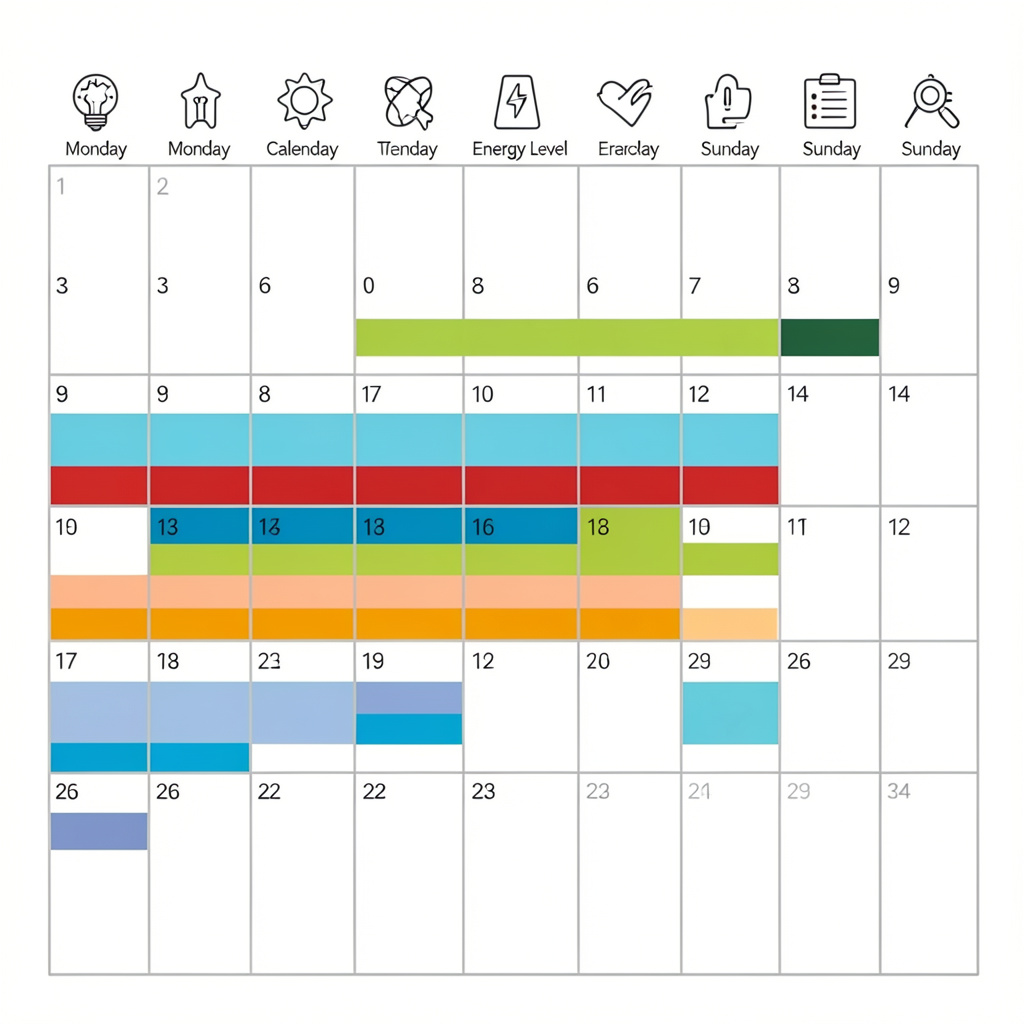
Weekly calendar with energy level tracking and color coding

Weekly Rhythms

Some people notice consistent energy variations across different days of the week. Monday might feel different from Wednesday, and Friday energy often differs from Sunday. Understanding your weekly cycle can help you plan demanding tasks for your naturally high-energy days.

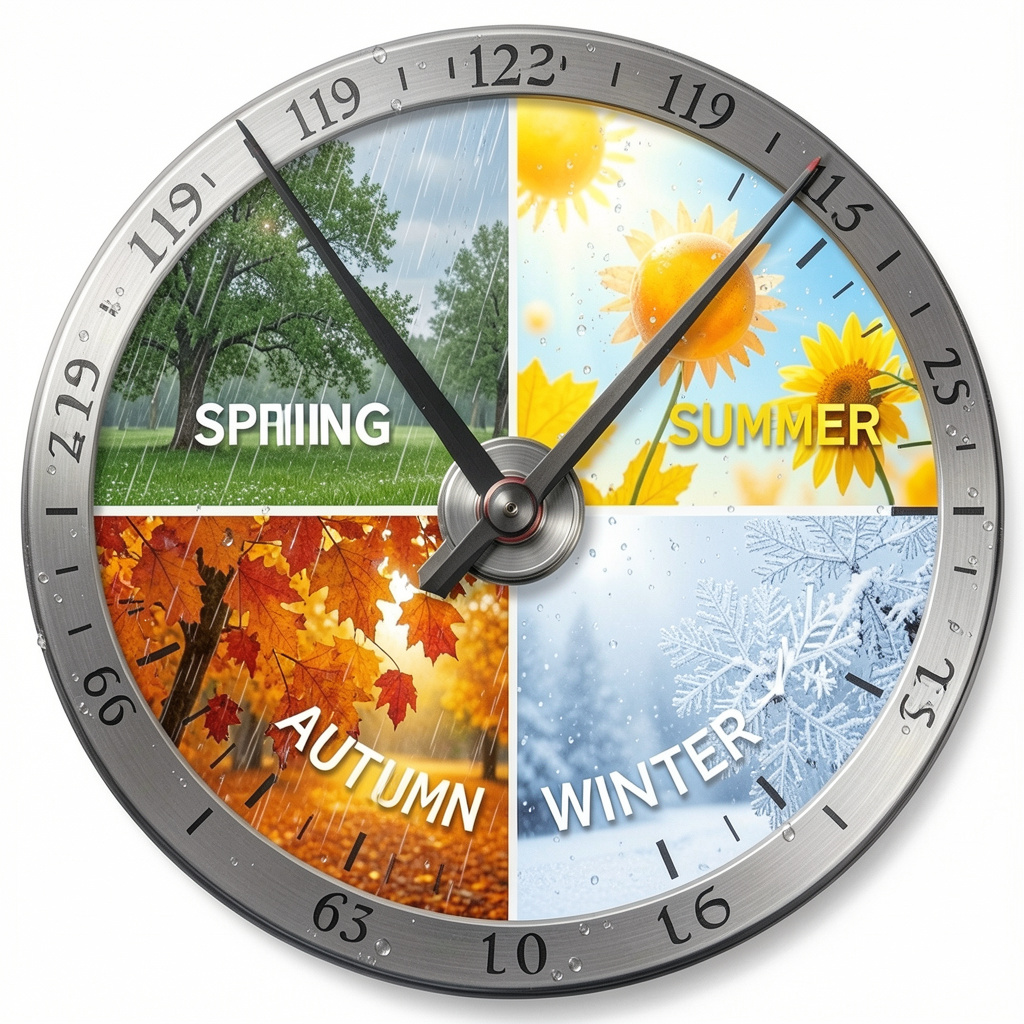
Four seasons represented showing different daylight and weather patterns

Seasonal Changes

Daylight hours and weather conditions may correlate with shifts in alertness. Many people experience different energy levels in summer versus winter, or notice changes during seasonal transitions. Being aware of these patterns allows for appropriate adjustments.

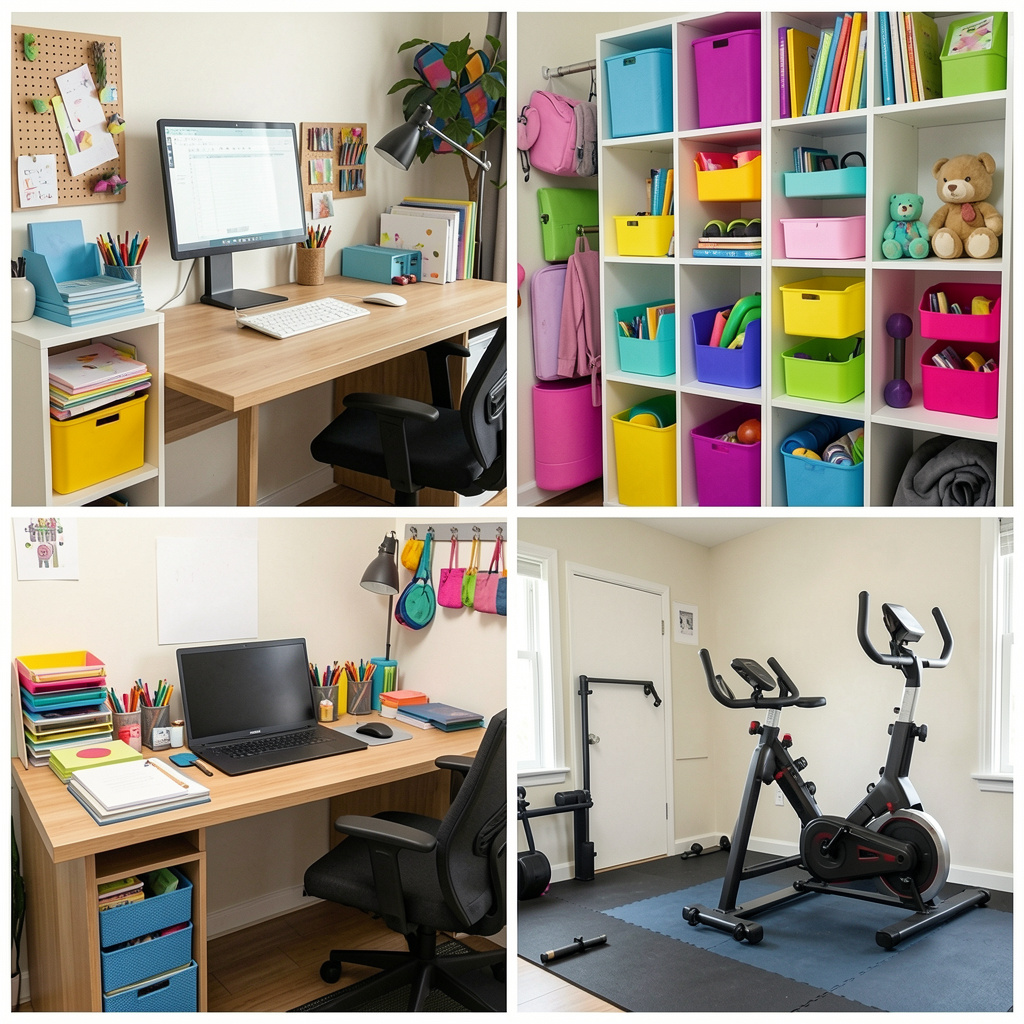
Different activities shown including work desk creative space and exercise area

Activity-Related

Different types of tasks and activities can affect energy in various ways. Mental work, physical tasks, social interactions, and creative projects each have unique energy demands. Recognizing which activities energize or drain you helps with better scheduling.

Social and Work Contexts

The environments where we spend most of our time significantly influence our energy levels. Understanding how different settings affect you enables more intentional choices about your daily activities.

Workplace Awareness

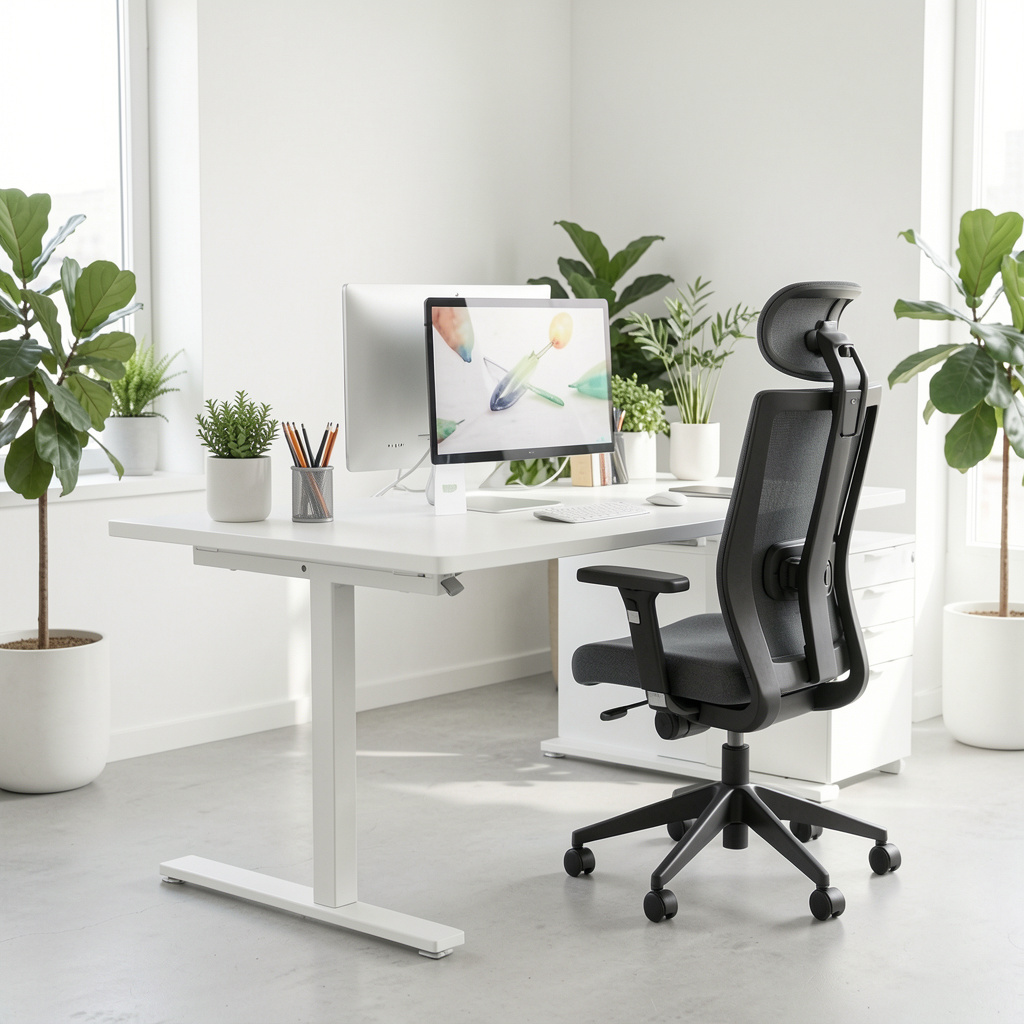
Noticing fatigue signals during work hours can inform decisions about task scheduling, break timing, and workspace adjustments. Consider factors like lighting, desk ergonomics, screen time, meeting schedules, and the balance between focused work and collaborative activities.

Many people find that their most productive hours occur at specific times of day. Aligning important tasks with these natural peaks can improve both efficiency and wellbeing. Similarly, recognizing when energy dips typically occur allows you to plan lighter tasks or breaks accordingly.

Modern ergonomic office workspace with adjustable desk natural lighting and organized environment

Social Settings

Being aware of your energy state in social situations can help you make choices that align with your current capacity. Social interactions require different types of energy than solitary activities, and this varies from person to person.

Some individuals find social engagement energizing, while others may need quiet time to recharge afterward. Understanding your own patterns helps you balance social commitments with personal restoration time, leading to more enjoyable and sustainable social connections.

Small group of friends having relaxed conversation in comfortable setting

Learning Resources

Expanding your knowledge about energy management and fatigue awareness can provide valuable context for your personal observations. These resources offer evidence-based information from trusted sources.

Books and Articles

Educational materials about sleep science, circadian rhythms, and energy management from reputable sources. Look for publications from academic institutions, research organizations, and established wellness educators who base their content on scientific studies.

Workshops

Community programs focused on wellness education and self-awareness skill development. These interactive sessions often provide practical exercises, group discussions, and opportunities to learn from others' experiences in a supportive environment.

Online Courses

Structured learning opportunities covering topics related to personal wellbeing and lifestyle habits. Many platforms offer courses on stress management, sleep optimization, and productivity that can complement your fatigue awareness practice.

✉️

Ready to Start Your Awareness Journey?

Connect with us to learn more about developing better energy awareness habits and improving your daily wellbeing.

Personalized guidance
Expert insights
Practical resources
Get Started Today

Get in Touch

Contact Information

📍
Address

151 Queen Street, Auckland 1010, New Zealand

📞
Phone

+64 9 924 9000

✉️
Email

reachus@quibraxnxulel.world

Business Hours

Monday - Friday: 9:00 AM - 5:00 PM

Saturday: 10:00 AM - 2:00 PM

Sunday: Closed

Disclaimer: This website provides general lifestyle information only and does not constitute professional or medical advice. For specific health concerns, please consult qualified healthcare professionals.